It Is Possible To Upgrade From Windows 7 To Modern Windows And Office Licensing.
Windows 7's demise marked the end of a time in software licensing and management. For individuals and businesses clinging to `windows 7`, the upgrade path to Windows 11 is not a simple re-installation--it's a migration to a fundamentally different digital paradigm. The shift is encompassing everything from how you purchase the windows 11 lizenz to how you protect your system and collaborate with Office. The previous world that was comprised of single-time purchases of software physical discs, isolated software suites was replaced with cloud-integrated subscriptions, digital licenses and a broader security for the entire ecosystem. Understanding the ten interconnections of traditional practices and modern needs is vital to understanding this shift. Your OS choices directly impact the productivity of your suite as well as your security, and the future scalability of your business.
1. The Hardware Gauntlet: Your First, Non-Negotiable Step.
Before you think about buying windows 11 you must confront the Windows 11 hardware requirements (TPM 2.0 Secure Boot modern CPU). Many Windows 7-era machines and especially those prior to 2017, will fail this check. This isn't an unintentional Microsoft cash-grab, but rather a security mandate. These functions provide the "hardware base of trust" upon which modern security solutions such as Windows Defender or even third-party software such as Kaspersky Premium rely. Bypassing the ISO requirements using an unofficial ISO modification results in a system that's unstable, incompatible, and can destroy the core security features of the upgrade. This makes you at risk on Windows 7 than it was before.
2. The License Migration Myth It is said that your Windows 7 Key is (Mostly) obsolete.
In the past, it was possible to utilize an activation key for Windows 7 Pro. Windows 7 Pro activation key to activate Windows 10. This grace period for Windows 11 is now over. Windows 7 OEM or OEM-licensed hardware, especially if the motherboard is older and cannot be upgraded to Windows 11 if the hardware is not compatible with the requirements. The new Windows 11 installation will be a new start. In the end the search for windows lizenz kaufen is a new purchase exercise that forces you restart.
3. The Office Licensing Revolution.
You're probably familiar with an office lizenz when you're running Office 2010 on Windows 7. Office 2021 (the modern equivalent) is dead since day one. It is updated with security patches however, it doesn't have any new features. The path to upgrade for productivity has changed to the subscription to Microsoft 365. This is a significant change: it's not just about upgrading Office. You also get an identity that is cloud-based (Azure) as well as 1TB of OneDrive space, and real-time collaboration. Office lizenz should not be bought every ten years and should instead be used as an ongoing expense that includes services and updates.
4. Security Can't be an Afterthought. Replacing the entire paradigm.
Windows 7 users probably used an antivirus from a third party, such as the old Norton 360 suite. Windows 11 changes the game. Windows Security, which comes with Windows 11, is now a cloud-based solution of the highest quality. Just installing your existing third-party security suite could cause conflicts and performance hits. Upgrades are the ideal time to assess. Do you require a different package like kaspersky premium or does Defender, coupled with the advanced security features of your hardware offer enough protection? The answer depends on the threat profile you have, but you don't have to purchase separate antivirus programs.
5. The Clean Install Imperative and Data Migration Strategy
The upgrade that is in place from Windows 7 is not supported. This could lead for instability. It is not a reinstall. This requires a strict data transfer. It's time to switch your local drives over to cloud backups. The Microsoft 365 subscription includes OneDrive as well as the option of configuring Known Folder Move (to back up Desktop, Documents, Pictures) during setup turns your data migration from an effort to manually manage to a seamless, ongoing cloud-synched process. Data is no longer dependent on a PC instead, it becomes more user-focused.
6. The Professional Feature Crossroads: Pro is the new Minimum.
Windows 11 Pro must be purchased when Windows 7 Professional was used to host BitLocker hosting, domain joining Remote Desktop, or BitLocker. A `windows 11 home keyis a fatal error for business or professional use. Home is not compatible with BitLocker and does not have a Group Policy editor and is unable to join domains. Windows 11 Pro is only available as a Microsoft 365 Business or Retail license for Windows 7 Pro users. This allows them to retain their professional features as well as data security.
7. Beware the Grey Market Siren Call During Transition.
Many people are enticed to buy cheap windows11 oem license keys from the gray market due to the urgency to upgrade. This is a terrible mistake to make in a time of transition. The keys won't work and you'll be left with an unstable foundation when you're required to construct the system. If you invest in an authentic Retail license or Windows subscription (like Microsoft 365 Business) will give you security, immediate support from a customer, and guarantee for future upgrades. The price of a gray-market crucial aspect is the loss of all data and time in the event that it is deleted.
8. Future-Proofing with the Cloud The Server Connection.
Windows 7 was likely part of a domain. Therefore, your future will probably include a server that is similar to Windows 2025. Windows 11 Pro and a knowledge of "cals" (Client access licenses) are essential for the modern day integration. Azure Active Director is the cloud-based alternative. It is included in Microsoft 365 Business. You'll need decide if you want to upgrade to Windows 7 and continue to spend a lot of money on servers and CALs. Or do you decide to migrate to a cloud-based Identity and Device Management (Intune) through the monthly subscription? The cost structure and licensing are entirely different.
9. Driver Archaeology: The Demand to have an Modern Hardware Base
Windows 7 thrived on a huge library of drivers from the past. Windows 11 relies primarily on modern, cloud-based drivers that are available through Windows Update. Windows 7 is often the only computer which can run specialized hardware. Upgrade assessments must include an exhaustive test of compatibility with the hardware. It is frequently discovered that upgrades require the purchase of new hardware. The most stable and effective option is to buy a new laptop with Windows 11 OEM pre-installed.
10. The shift in philosophy shifts from ownership to access and management.
Updates for Windows 7 are a shift in mindset. The model of static software ownership (windows7 DVD or Microsoft Office 2010 box) is now replaced with the subscription-based model or a digital license that has strict transfer restrictions. Security models change from an antivirus add-on to one that integrates hardware protection. Your data is moved from local storage into the cloud. Using the Microsoft 365 plan and a Windows 11 Pro license, together with the latest security features ensures that you are not just upgrading to a new OS. Also, you'll be able to build a computing foundation that is durable, modern and adaptable to the next decade. Read the top windows 7 for website recommendations including office 2016, windows server 2016, microsoft office 2019, microsoft visio, office2019 download, microsoft office key, windows office, microsoft office download, windows office, microsoft project and more.
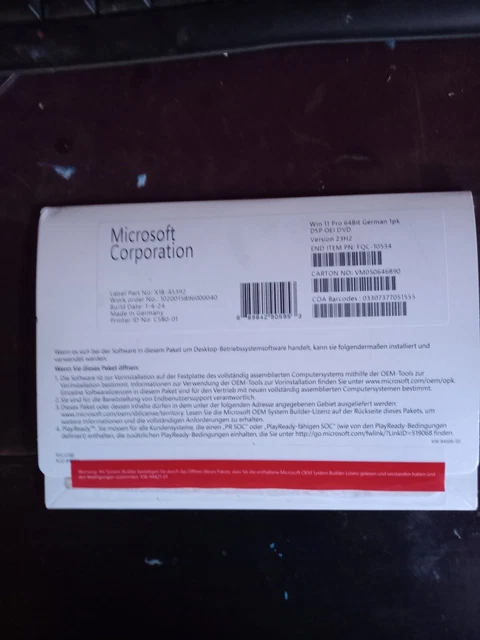
Understanding Windows Server 2025 Client Acces Licenses (Cals), And How They Impact Businesses.
Implementing the "windows Server 2025" for a company that is growing represents a significant leap in performance, since it moves from a peer-to-peer network to a managed, centralized IT infrastructure. The most costly and common misconception isn't the software for servers, but the necessity for Client Access Licences (or cals). This isn't an option, it's an essential component of the Microsoft ecosystem. Inability to license access for clients correctly can result in the IT project to be derailed and result in serious penalties for compliance when audited, and create a series of dependencies that impact everything from operating systems for desktops to productivity and security software. This guide decodes the ten interconnected concepts every company should know when planning Windows Server 2025. It shows how server licensing determines the legality of your desktop's structure and.
1. The Foundational Principle The Server License is Just the Entry Fee.
If you purchase a "Windows Server 2025" license, it grants you the ability to install and operation on a real or virtual machine. This license does not give any user or device the ability to connect. The right to connect is bought by CALs. You could imagine renting out the stage and the venue. You'll need to buy a CAL or ticket for each user (User-CAL) as well as the device (Device-CAL) who will be entering the theater, regardless if they are listening or watching.
2. CALs & Desktop OS Legitimacy - An Inseparable pair
It is not possible to legally use a client Access License (CAL) to grant access for a client using an illegal operating systems. If you have activated your workstations by using grey-market "windows oem" keys purchased on websites that offer discounts, purchasing CALs would be an unwise and incongruous act. Microsoft's licensing terms require the underlying client OS to be licensed correctly. An audit will first invalidate the desktop licenses, making the CALs--and potentially the server access itself--non-compliant. It is crucial that your entire stack be fully compliant from desktops all the way up to servers.
3. The User CAL The User CAL vs. Device CAL The Decision: Modelling Your Workforce.
This is a decision based on financials. A User License permits one user to access any of their devices, such as their laptop, desktop and tablet to connect to the server. A Device CAL permits a specific device (e.g. an office shared workstation located on a factory floor) to be utilized by a variety of users. The cost-effective choice depends on the usage patterns of your. A mobile workforce that has multiple devices per person makes User CALs smarter. Device CALs will cost less when shift workers use a limited amount of dedicated terminals. You must create a model of the actual usage. Combining types is permissible but can complicate management.
4. Windows 11 Home Is Technically and legally incompatible.
A machine running Windows 11 Home cannot natively join a traditional Active Directory domain, which is the core feature of Windows Server. Even if the workaround was used however, it is in violation of licensing. Client devices that have to leverage services, such as print queues, file-sharing and so on, must authenticate. Windows 11 Pro Enterprise or Education editions must run a "windows 2025" server. If future server deployments could be possible, buying the "windows 11 Home Key" to run a business computer is not a wise investment.
5. The Security Management Nexus.
If Windows Server is properly configured with CALs and CALs, the Group Policy is a way to centrally distribute security policies. This reduces the burden of configuration and expenses associated with the standalone security program. For instance, instead of manually configuring `kaspersky premium` or norton 360 on each of the 50 machines, policies can push identical settings from the server. Your security investment for your endpoints is more efficient and labor-intensive when you use the server as an management tool. The CAL is a certificate that allows managed connections.
6. Office License Synergy In A Server Environment
If you're running "Windows server 2025" for printing and file services, then your users may have access to files shared. Microsoft 365 or a perpetual Office license (office lizenz) can affect the choice you make. Microsoft 365 Business Premium/Enterprise includes Azure AD that can sync up with your Active Directory on-premise, as well as Intune to manage your devices. This creates a hybrid model of identity, simplifying access to secure and simple cloud resources (Microsoft applications from 365) as well as the on-premise data (Server 2025). Subscriptions are often more integrated than standalone perpetual licensing.
7. Alternative License for Public Access "External Connector".
The CALs you use are for only your own internal devices and users. You cannot use CALs to give external users access to your server (e.g. clients who sign up to a website-based portal from your server, or users of FTP who are anonymous). Instead, you must purchase an Windows Server External Connector license (EC). The license is connected to the server and permits anonymity for external users. This is a way to avoid an enormous breach of compliance when using services that are accessible to the general public.
8. CALs are Version-Specific but Upwardly compatible.
You can purchase CALs that correspond to specific server releases (e.g. Windows Server 2010 CALs). These CALs permit access to servers that run the same version, or versions older. Thus, 2025 CALs grant access to 2025, 2022 or 2019 server. However, they are not compatible in the next versions. If you decide to upgrade to Windows Server 2029, you'll need to purchase new CALs. It's important to include this in your IT budgeting.
9. Virtualization & CALs The "Every Access Rule"
Virtualized environments still require CALs, but they are based on the access to the virtual machine, not on the virtual machine itself. If 50 users will be using a file-sharing service which is running in a Windows Server virtualized 2025 instance, you'll require 50 User Licenses (or enough Device Licenses to cover the devices they access). Your CAL requirement is not affected by the number VMs that you run; it's determined by how many users or devices are accessing the VMs. This stops you from over-buying for more complex virtual setups.
10. The total cost of ownership (TCO) real-world value: more than the sticker price.
Business cases for Windows Server 2025 has to include the entire licensing stack comprising the server license and all required CALs. All client PCs should be updated to Windows 11 Pro if they haven't been. To evaluate a cloud-based solution (such as shifting your file sharing to SharePoint using Azure AD and Microsoft 365), you have to determine the capital costs (CapEx) plus the cost to keep the physical server. In many cases, small- and medium-sized businesses realize that the cloud subscription model is more cost effective than buying server hardware, as well as the licensing of Windows Server 2025, cals, or upgrading to Windows 11 Pro for their entire fleet. It's not solely a technological decision, but also an architectural one. See the top office lizenz kaufen for website examples including microsoft ms office 2016, windows server 2016 os, windows server 2016 server, microsoft office 2016, microsoft office with key, microsoft project, windows server 2016 server, key 365 office, windows server 2019, office 2019 professional plus and more.

Comments on “20 Good Reasons For Deciding On Office License Kaufen Stores”